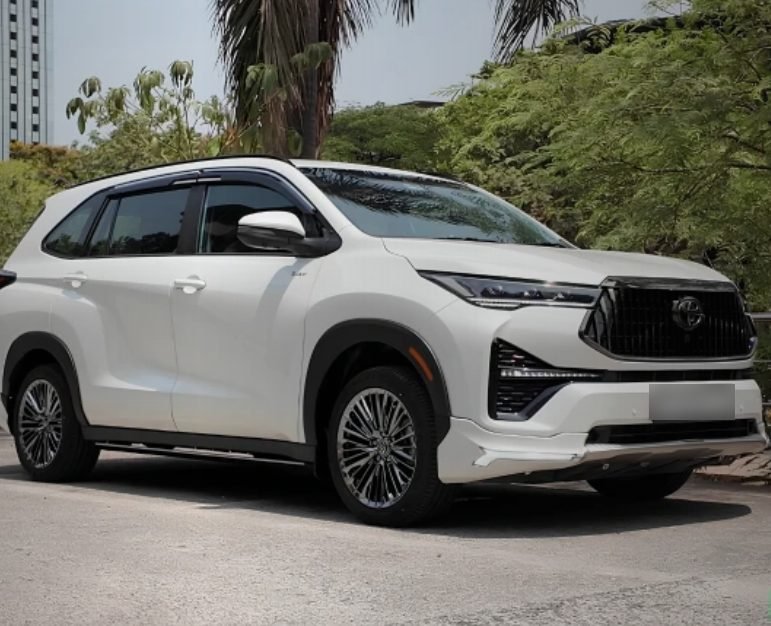
One is a physical shield, the other is a chemical shine. Here is what Paint Protection Film and ceramic coating each actually do, how they handle Delhi dust, sun and traffic, and when it makes sense to combine them.
Delhi is hard on paint. There is the sun, the dust that settles on everything within an hour, the stone chips from highway gravel and the occasional scrape in a tight parking lot. If you have just bought a car you love, or just had it restored and detailed, protecting that finish is the natural next step.
The two names you will hear are PPF and ceramic coating. They are often spoken about as if they compete. In reality they do different jobs.
Key takeaways
- PPF is a physical shield against chips and scratches; ceramic coating is a glossy, easy-clean layer.
- For Delhi highways, protect at least the bonnet, bumper and mirrors with PPF.
- Many owners combine both for the best of each.
- Preparation of the paint matters as much as the product.
What each one is
Paint Protection Film (PPF) is a clear, flexible film applied over the paint. It is a physical layer, so it absorbs stone chips, light scratches and minor scuffs before they reach the paint. Good films can “self-heal” fine swirl marks with warmth.
Ceramic coating is a liquid that bonds to the paint and hardens into a thin, glossy, water-repellent layer. It makes the car easier to clean, deepens gloss and resists stains, but it is far too thin to stop a stone chip.
Head to head
| PPF | Ceramic coating | |
|---|---|---|
| Protects against | Stone chips, scratches, scuffs, stains | Stains, UV fading, water spots, light swirls |
| Gloss | Clear; gloss and matte finishes available | High, wet-look gloss |
| Easy cleaning | Good | Excellent; water and dust slide off |
| Typical lifespan | Several years with care | One to a few years, depending on product and care |
| Relative cost | Higher | Lower |
| Best for | New cars, highway driving, high-value paint | Daily drivers, owners who wash often, shine lovers |
What we usually recommend in Delhi
- Highway regulars: PPF on the high-impact zones at least: bonnet, front bumper, mirrors and headlamps.
- City drivers who love shine: a quality ceramic coating keeps the car looking freshly washed between washes.
- Both: many owners choose PPF on the front and a ceramic coating over the whole car, including the film. You get impact protection where you need it and easy cleaning everywhere.
Questions to ask before you choose
- Which brand of film or coating is being used, and what does its warranty actually cover?
- Will the paint be decontaminated and corrected before application? Protection locks in whatever is underneath.
- How are edges wrapped on PPF, and are panels removed where needed?
- What aftercare do you need to follow, and when is the first check-up?
A note on colour-change wraps
Coloured and satin films are popular, but changing the visible colour of your car can affect what your registration says. Before you choose a dramatic new shade, read our guide to car modification rules in India.
Why preparation decides the result
Neither film nor coating can fix what is underneath. If the paint has swirl marks, water spots or embedded dust when protection goes on, those flaws are sealed in. That is why proper work always begins with a careful wash, decontamination to lift iron particles and tar, and paint correction where needed.
It takes longer, and it is the single biggest reason two cars with the “same” coating can look completely different six months later.
Full car or front end?
| Coverage | What it includes | Best for |
|---|---|---|
| High-impact zones | Bonnet, front bumper, mirrors, headlamps | Most owners; protects where chips happen |
| Full front | Above plus front fenders and A-pillars | Frequent highway drivers |
| Full body | Every painted panel | New luxury cars, matte paint, collectors |
Aftercare in Delhi
- Wait the recommended curing time before the first wash.
- Hand wash with a pH-neutral shampoo and the two-bucket method.
- Avoid automatic brush washes; they scratch even protected paint.
- Rinse off bird droppings and tree sap promptly, especially in summer heat.
Keeping it looking new
Frequently asked questions
Can ceramic coating stop stone chips?
No. A ceramic coating is far too thin to absorb an impact. For chip protection you need PPF on the exposed areas.
Does PPF turn yellow?
Older and lower-grade films could yellow with UV exposure. Modern quality films are designed to resist this, which is why the brand and warranty matter.
Can I apply ceramic coating over PPF?
Yes. Coating the film makes it easier to clean and adds gloss. It is a popular combination.
Neither option is “fit and forget”. Gentle hand washing, the right shampoo and avoiding harsh automatic brushes make both last much longer. The same habits help inside the car too, which we cover in our luxury car care guide.
Not sure which is right for your car? Bring it to the studio and we will inspect the paint with you before recommending anything.
Real examples
Build stories
See finished cars from our studio, with the work done and what the owners said.
Read build stories Before & after
The Kursilo team writes from our experience centre in Kirti Nagar, New Delhi, where we design VIP recliner cabins, luxury interiors and complete car makeovers every week.